Magazines Influence Fashion and Art Trends that You Should Be Aware Of
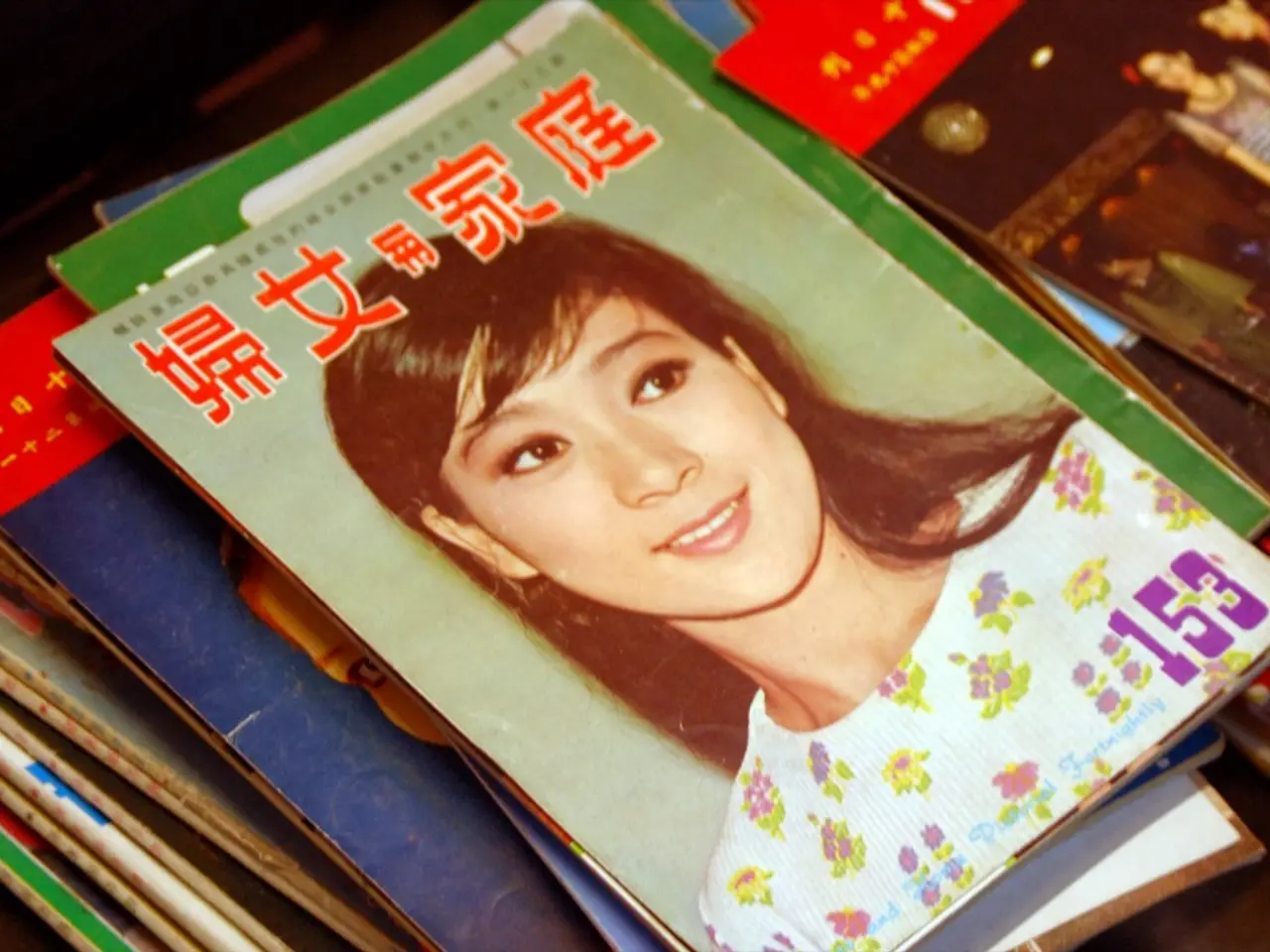
Fashion and art magazines have long been influential forces in shaping the way society views and experiences fashion. These authoritative platforms, such as Vogue and Harper's Bazaar, have been around for over a century, with Vogue tracing its history back to 1892.
One of the key roles that these magazines play is trend-setting. Under the leadership of Anna Wintour, Vogue pioneered mixing high couture with mainstream fashion, as seen in covers combining Christian Lacroix with Guess jeans. This bold editorial approach broke traditional fashion hierarchies and popularized new styles, both reflecting and propelling cultural shifts.
Moreover, fashion magazines contextualize styles within current socio-political climates. For instance, the 2020s fashion scene integrates identity politics, activism, and social justice into the styles promoted and discussed. This reinforces fashion as a medium for personal and communal cultural expression.
Fashion magazines also foster a symbiotic relationship with the art world. They showcase collaborations between designers and artists, demonstrating how art movements influence fashion aesthetics and cultural narratives. Historical partnerships, like Elsa Schiaparelli with Salvador Dalí, and contemporary ones, such as Yves Saint Laurent’s Mondrian dresses, are examples of this fusion. Magazines curate and disseminate this fusion, shaping public appreciation and trends.
In the digital age, fashion and art magazines have expanded their reach globally. Through digital platforms and marketplaces, they now amplify diverse voices, enabling diasporic and independent designers to influence fashion trends and cultural identities beyond traditional Western centers. This expands cultural exchange and personal identity exploration mediated by fashion.
Magazines also play a significant role in event curation and celebrity influence. Prestigious events like the Met Gala, under Wintour’s guidance, have evolved into cultural spectacles linking fashion to heritage and social issues. For example, thematic exhibitions celebrating Black history have been a part of these events. This cements fashion’s role in identity politics and cultural memory.
User-generated content is now an important part of fashion and art media, allowing for collaboration and diversity. Magazines create communities where newcomers feel supported as they develop their style and voice. Social media platforms like Instagram and TikTok also play a significant role in shaping fashion and art trends.
Photographers and stylists working with magazines shape how fashion is seen and understood. Independent magazines like i-D and Dazed focus on subcultures, diversity, and experimental styles. These magazines act as platforms for new art styles and movements, setting the tone for each fashion season through carefully planned editorial content.
In summary, fashion and art magazines are not passive recorders but active creators of trends and cultural identities. They use powerful imagery, editorial choices, and curated narratives to shape what society wears, values, and expresses. They elevate fashion from mere clothing to cultural statements, thereby shaping how individuals and society express identity.
[1] Faris, A. (2019). The New York Times. [Anna Wintour: A Retrospective]. Retrieved from https://www.nytimes.com/2019/09/07/magazine/anna-wintour-vogue-retrospective.html [2] Vogel, F. (2020). The New York Times. [Fashion Week Goes Virtual. Will the Industry Ever Be the Same?]. Retrieved from https://www.nytimes.com/2020/09/14/fashion/fashion-week-virtual.html [3] Heller, N. (2019). The New Yorker. [The Métiers d'Art Show: A Celebration of Craftsmanship]. Retrieved from https://www.newyorker.com/culture/culture-desk/the-metiers-dart-show-a-celebration-of-craftsmanship [4] Said, E. (2020). The New York Times. [The Rise of Digital-Native Fashion Magazines]. Retrieved from https://www.nytimes.com/2020/05/10/fashion/coronavirus-fashion-magazines-digital.html
- Fashion and art magazines continue to inspire lifestyle choices by merging writing, art, photography, and design in captivating editorials, as seen in efforts by Vogue, Harper's Bazaar, i-D, and Dazed.
- In the realm of fashion-and-beauty, magazines serve as hubs for exploring emerging trends in home-and-garden, social-media, and entertainment, offering readers an all-encompassing perspective on contemporary culture.
- Taking a bold editorial approach, these platforms foster collaboration between designers and artists, bridging the gaps between fashion, art, and lifestyle, much like Elsa Schiaparelli's partnerships with Salvador Dalí and Yves Saint Laurent's Mondrian dresses.
- Magazines also shape public appreciation and trends through virtual markets and global digital platforms, allowing diasporic and independent designers to break into international fashion circles, as observed in the rise of digital-native fashion magazines.
- By fostering user-generated content and providing platforms for newcomers, magazines create vibrant communities where individuals can express their unique perspectives on art, fashion, and lifestyle, whether through traditional means or digital channels like Instagram and TikTok.