
Living Alone in NRW: Debunking the Myth of Loneliness as a Negative Experience
In modern-day Germany, the trend of living alone is significantly higher than the national and European Union averages, with over 17 million people, or approximately one in five, choosing this lifestyle. This figure surpasses the EU average of 16.2%, according to recent statistics [1][3].
Several key factors contribute to this trend. An aging population forms a significant portion of single-person households. More than one-third of Germans aged 65 and above live alone, with the share rising to 56% among those aged 85 and older [1]. This demographic shift may be attributed to longer life expectancies combined with increased individual living preferences or widowhood.
The trend is also rising among younger adults. Around 28% of individuals aged 25 to 34 reside in single-person households, reflecting shifting social norms and lifestyle preferences among younger generations [1].
Economic and social factors also play a role. Solo living is associated with a significant poverty risk, with nearly double the rate of economic hardship compared to the general population [1][2]. This vulnerability can both stem from and contribute to living alone, affecting household formation decisions.
Broader social trends, such as higher divorce rates, delayed marriages, mobility for work, or personal autonomy preferences that encourage solo living, also contribute to this shift [1][4][5].
Professor Franz Neyer, a leading expert in Personality Psychology and Psychological Diagnostics at the University of Jena, believes that living alone in Germany is not necessarily a bad thing. However, he stresses that it's not living alone that leads to loneliness, but rather the social integration that is perceived as insufficient [2].
Neyer suggests several ways to break out of social isolation, including volunteering, participating in group activities, joining self-help groups, using online offers that provide help with loneliness, and contacting counseling centers [2].
In North Rhine-Westphalia (NRW), around 3.46 million people live alone, with a share of 19.4%, slightly below the national average [1]. The cities with the most people living alone in NRW are Cologne, Düsseldorf, Essen, and Aachen.
Intriguingly, Neyer notes that feelings of loneliness have increased slightly among young adults in recent decades. This increase may be due to changes in the structural conditions of young adulthood, which allow for more freedom but potentially increase the risk of loneliness [2].
Older people are particularly likely to live alone in Germany, but the numbers for younger people are also above the national average. This trend, combined with the associated economic vulnerability among solo dwellers, indicates complex social dynamics underpinning this lifestyle pattern [1][2][4].
Sources: [1] Federal Statistical Office [2] Statistical Office of the State of NRW [3] Eurostat [4] German Institute for Economic Research (DIW) [5] Institute for Employment Research (IAB)
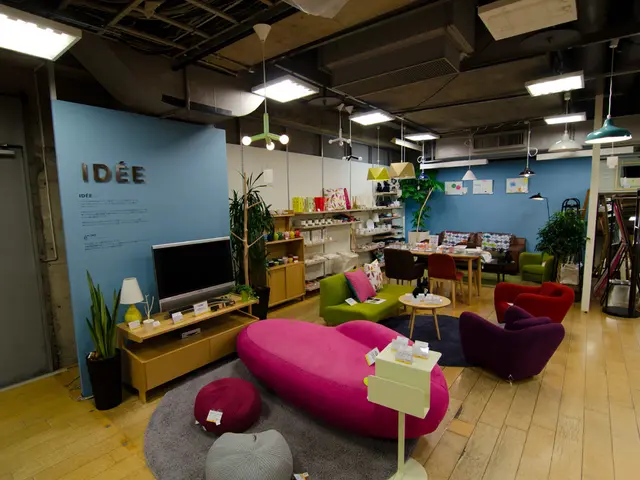
In the home-and-garden context, one could imagine a solitary individual decorating their personal space to reflect their lifestyle preferences, creating a sanctuary that caters to their needs and tastes.
The rise in the home-and-garden industry in Germany could be attributed to the increasing number of individuals opting for solo living, seeking solutions to combat feelings of loneliness and create comfortable environments for themselves.