
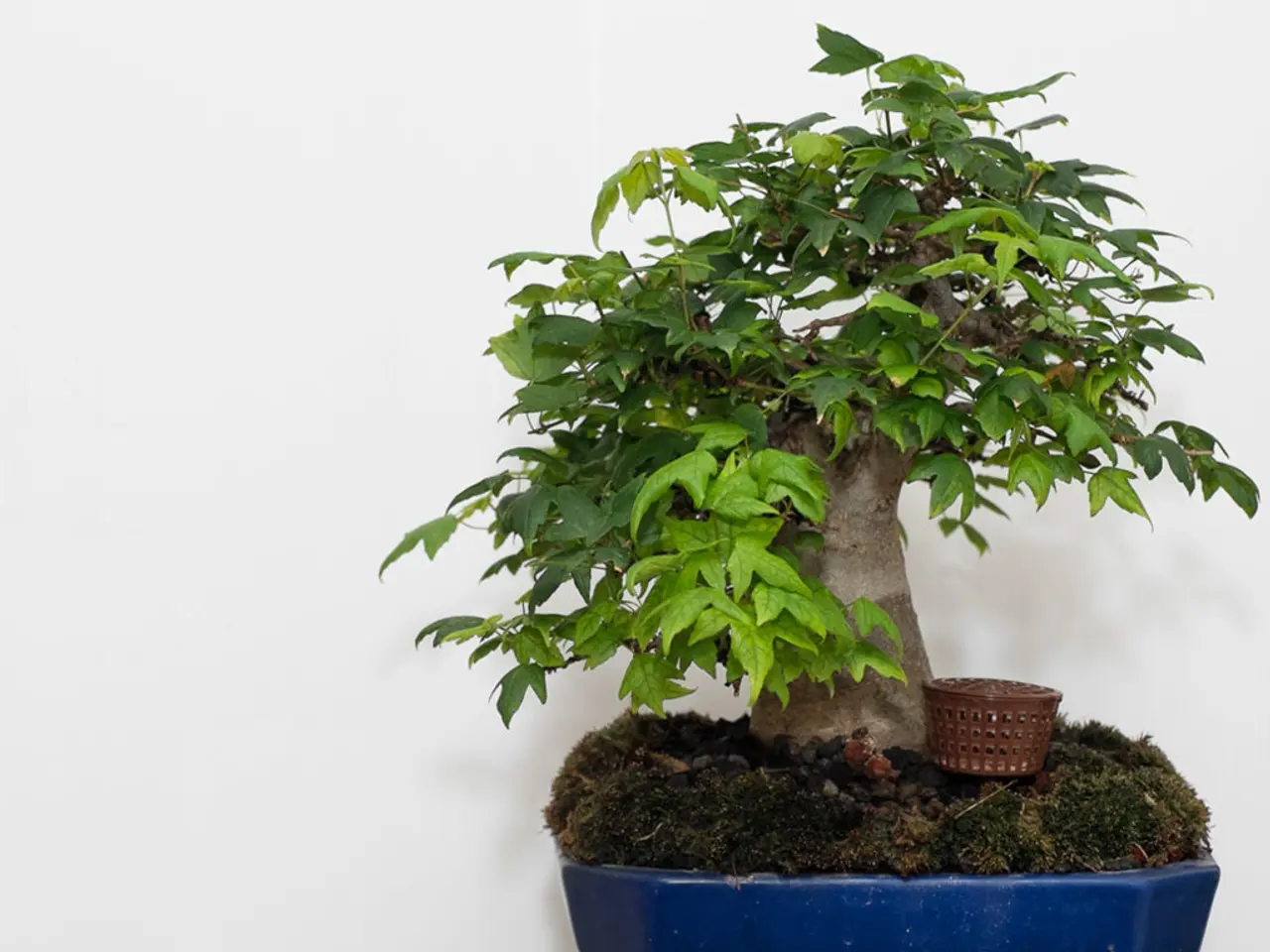
Flame Tree Bonsai: A Comprehensive Guide on Cultivation and Maintenance of Royal Poinciana
The Royal Poinciana Bonsai, also known as Delonix Regia, is a captivating choice for bonsai enthusiasts due to its large bright red and orange flowers and broad, fern-like foliage. To help you care for this tropical treasure, here is essential information on soil, position, temperature, watering, fertilizing, pruning, training, wiring, repotting, and common FAQs.
---
**Essential Information**
- Being a fast-growing tropical tree, the Royal Poinciana Bonsai requires conditions that mimic its native warm climate to thrive.
**Soil**
- Use well-draining bonsai soil to prevent root rot and allow airflow. A mix of akadama, pumice, and lava rock is typical to retain moisture while draining excess water effectively. - Keep the soil moist but not soggy.
**Position and Light**
- Place the bonsai in a location with bright to medium light. - Avoid direct harsh sunlight, as it can dry out the plant too quickly, especially indoors. - Ensure the plant is not near cold drafts or windows with temperature fluctuations. - Outdoors, partial sun to filtered light is ideal.
**Temperature**
- Being a tropical plant, it prefers warm temperatures. - Keep the bonsai above 15°C (59°F), avoiding cold environments or frost.
**Watering**
- Water regularly to keep the soil moist but not waterlogged. - During hotter months or active growth, increase watering frequency. - Reduce watering somewhat in winter, but never let the soil dry out completely.
**Fertilizing**
- Feed the bonsai during the growing season (spring to early autumn) with a balanced, water-soluble fertilizer diluted to half strength. - Fertilizer promotes vigorous growth and flowering, which is characteristic of the Royal Poinciana.
**Pruning**
- Prune to maintain shape and encourage branching. - Remove dead or crossing branches and trim back vigorous new shoots. - Pruning after flowering can help maintain a compact form.
**Training and Wiring**
- Wiring can shape branches and trunk while they are flexible. - Apply wiring carefully to avoid damage, and remove it before it starts to cut into the bark. - Training should be done gradually to develop an attractive bonsai silhouette.
**Repotting**
- Repot every 2-3 years in early spring before new growth begins to refresh soil and prune roots. - Trim roots slightly to encourage fine root development and keep the bonsai healthy.
---
**Common FAQs**
- **How fast does it grow?** It grows relatively fast for a bonsai and reaches maturity in a few years.
- **Does it flower as a bonsai?** Yes, with proper care, the Royal Poinciana bonsai can produce its iconic fiery flowers, adding spectacular color.
- **Can this bonsai survive indoors?** It is possible if conditions of light and temperature are ideal, but it generally performs better in a warm, bright outdoor environment.
- **What pests affect it?** Typical pests include aphids and spider mites. Monitor regularly and treat with appropriate organic or chemical controls promptly.
---
By following these guidelines tailored for the Royal Poinciana Bonsai, you can enjoy a vibrant and flourishing miniature version of this stunning tropical tree.
- To maintain your indoor bonsai's health, use a soil mixture of akadama, pumice, and lava rock for proper drainage and moisture retention.
- For a balanced lifestyle, incorporate caring for your Royal Poinciana Bonsai as part of your home-and-garden routine, along with cooking, fashion-and-beauty, and food-and-drink activities.
- To create an eye-catching indoor decor, use this tree species as a unique addition to your collection of indoor bonsai, enhancing the aesthetics of your living space.
- To expand your culinary horizons, try experimenting with exotic recipes using the stunning fiery flowers from your Royal Poinciana Bonsai, found in the food-and-drink category.