
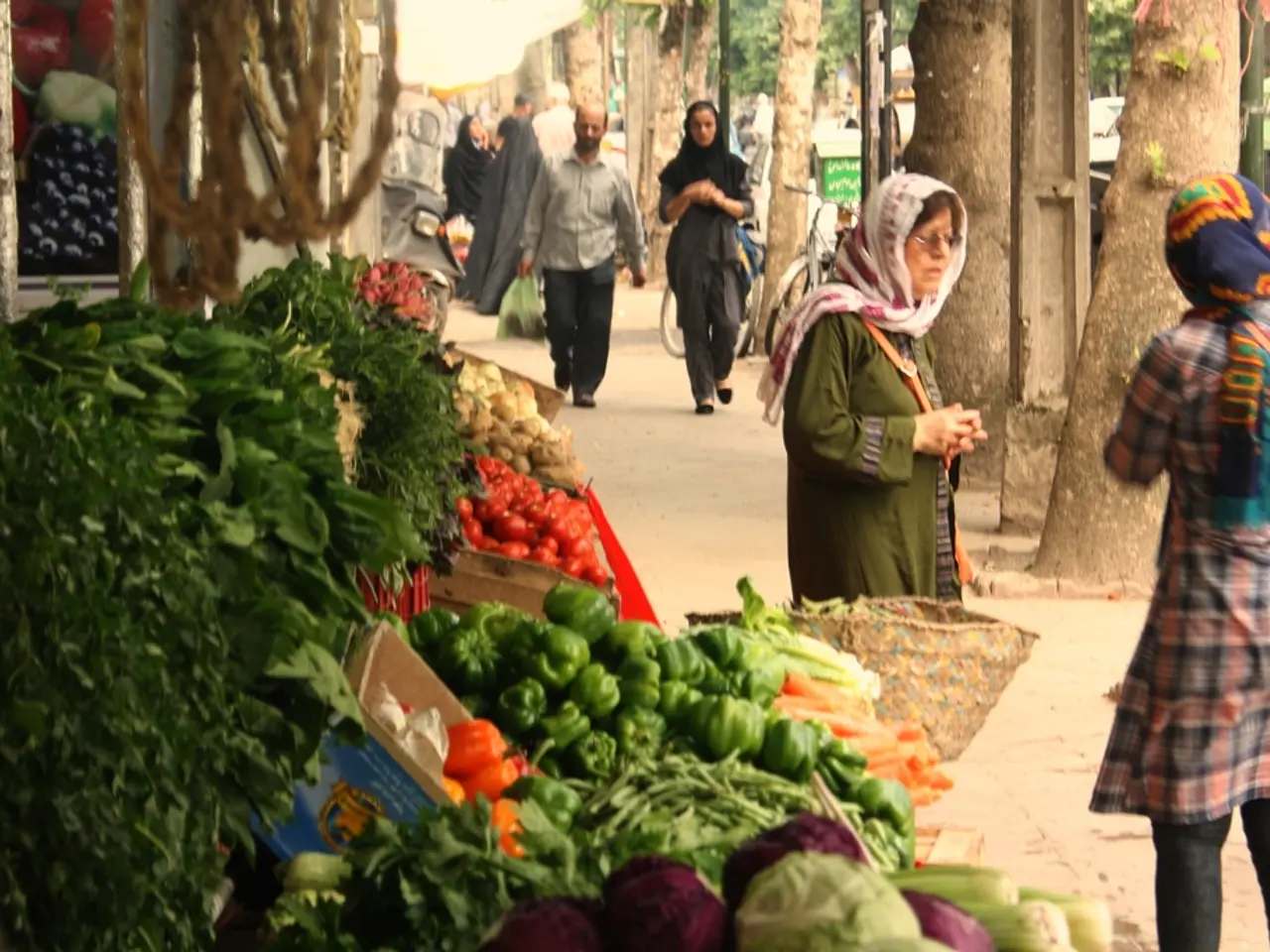
Farmers' Markets Provide Ideal Opportunities for Social Interaction
Farmers' markets are more than just venues to purchase fresh, local produce and artisanal goods. They are lively public spaces that serve as invaluable social hubs, fostering interaction, deepening community bonds, and facilitating networking between diverse local stakeholders.
The outdoor environment of farmers' markets encourages a relaxed atmosphere that is conducive to networking. Here, people can meet others who share similar interests in food, sustainability, and local culture. Conversations about favorite recipes, family traditions, and the significance of certain ingredients enrich the market experience, making it more than just a shopping trip.
These events foster an authentic networking experience that can help expand one's social circles in a meaningful way. Many farmers' markets host events, such as cooking demonstrations, workshops, and live music, encouraging community members to gather and participate in shared experiences.
Attending farmers' markets offers significant benefits for social interaction, community engagement, and networking opportunities. They provide opportunities for meaningful personal contact, particularly for seniors and others who may have limited social engagement elsewhere. This interaction contributes positively to overall health and well-being.
Farmers' markets also create a venue where direct relationships develop between farmers and consumers. Consumers can learn firsthand about food origins and support local producers, fostering a sense of trust and community.
Moreover, farmers' markets enhance social vitality by linking local governments, businesses, and community organizations around a shared goal to sustain local agriculture and economic diversity. They often act as a new kind of communal public square where citizens collectively participate in local food systems and solidarity economy efforts.
For farmers and small-scale producers, markets are a critical platform to connect with customers, share expertise, and receive direct feedback, strengthening local agricultural ecosystems. Community members can also engage in informal economic exchanges, bartering, or mutual aid, enriching social networks beyond commerce.
The diverse range of attendees at farmers' markets creates an environment ripe for forming new connections, including friendships and professional relationships. The seasonal nature of farmers' markets adds an element of discovery that enhances social interactions. Visitors often look forward to returning each week to see what new offerings are available.
Engaging in discussions with local entrepreneurs and small business owners at farmers' markets can lead to potential partnerships, mentorships, or inspiration for one's own business endeavors. The atmosphere of farmers' markets is characterized by bustling energy and lively interactions, transforming a simple purchase into a meaningful connection between the buyer and the seller.
In summary, farmers' markets function as important social hubs that promote interaction, deepen community bonds, and facilitate networking between diverse local stakeholders. They serve as vital social spaces where individuals from diverse backgrounds gather, fostering a sense of connection and community engagement. These benefits make farmers’ markets essential community anchors that support healthier, more resilient, and equitable local food systems, while promoting social cohesion and local economic development.
- A relaxed atmosphere at farmers' markets encourages conversations about shared interests such as food, sustainability, and local culture, transforming shopping trips into meaningful experiences filled with intimacy and love.
- Attending farmers' markets can help expand one's network, as they offer intimate settings for connecting with local producers, business owners, and community members, which could potentially lead to professional or personal relationships.
- Deepening community bonds isn't the only benefit agriculture fairs provide; they also offer opportunities for learning about food origins, supporting local producers, and developing direct relationships built on trust, strengthening our overall lifestyle and home-and-garden aesthetics.
- The diverse range of vendors, shoppers, and events at farmers' markets truly makes them a vibrant hub, fostering social vitality and promoting social cohesion while nurturing various local relationships that contribute to the growth and success of our community and local economy.