Delving into the essence of Western Interior Design: Uncovering an Enduring Aesthetic
The rugged beauty and pioneering spirit of the American West have found a home in Western interior design, a style that celebrates natural materials, warm color palettes, and rustic furnishings. This approach to decorating offers a captivating blend of history, tradition, and modernist design principles, inviting exploration and sparking curiosity.
Historical Development
The journey of Western interior design traces a path from traditional handcrafted styles through industrialization to modern and contemporary aesthetics.
Pre-Industrial Era
During this period, interior design was heavily influenced by handcrafted furniture and decorative arts, with an emphasis on ornate details, craftsmanship, and historical styles such as Rococo, Baroque, and Classical.
Industrial Revolution (Late 18th - 19th Century)
The advent of mass production marked a significant turning point, enabling the creation of furniture using new materials and machinery. Designers like William Morris sought to blend art and industrial manufacturing to create affordable yet beautiful furnishings. This era introduced steel, glass, and plastics, opening up new creative possibilities and leading to stronger, complex structures and new aesthetics centered on functionality and openness.
Early to Mid-20th Century
Modernist influences emerged during this period, with furniture and interiors becoming more minimalist, emphasizing clean lines, open floor plans, and integration with the outdoors. The mid-century modern style, exemplified by architects like Frank Lloyd Wright and designers creating Eichler homes, emphasized geometry, expansive windows, and indoor-outdoor living, reflecting post-WWII optimism and technological progress.
Post-WWII to Present
Furniture evolved through phases of commercial modern, characterized by colorful, bulky designs, followed by lighter, thinner silhouettes enabled by foam upholstery and plastics. Modern design embraced both handcraft and machine production, balancing tastefulness with affordability. By the 1970s, faddish elements appeared, but functional and clean designs remain a hallmark of Western interiors.
Infusing Western-Inspired Style into Your Home Decor
To create a Western-inspired interior, consider the following tips:
- Incorporate Rustic and Natural Elements: Use materials like leather, wood, wrought iron, and stone to evoke the heritage of Western landscapes. Integrate handcrafted or vintage pieces to capture the artisanal feel of earlier Western interiors.
- Embrace Open and Airy Floor Plans: Design spaces that flow naturally with fewer walls, emphasizing sight lines and spaciousness typical of mid-century modern and Frank Lloyd Wright’s organic architecture styles.
- Use Earthy Colors and Textiles: Choose warm color palettes inspired by deserts, canyons, and plains such as terracotta, ochre, browns, and muted greens. Integrate Native American patterned rugs, throws, or pillows for authenticity.
- Blend Modern and Traditional: Marry sleek mid-century furniture with more traditional Western decor, like antler chandeliers or cowboy-themed artwork, to strike a balance between contemporary comfort and heritage style.
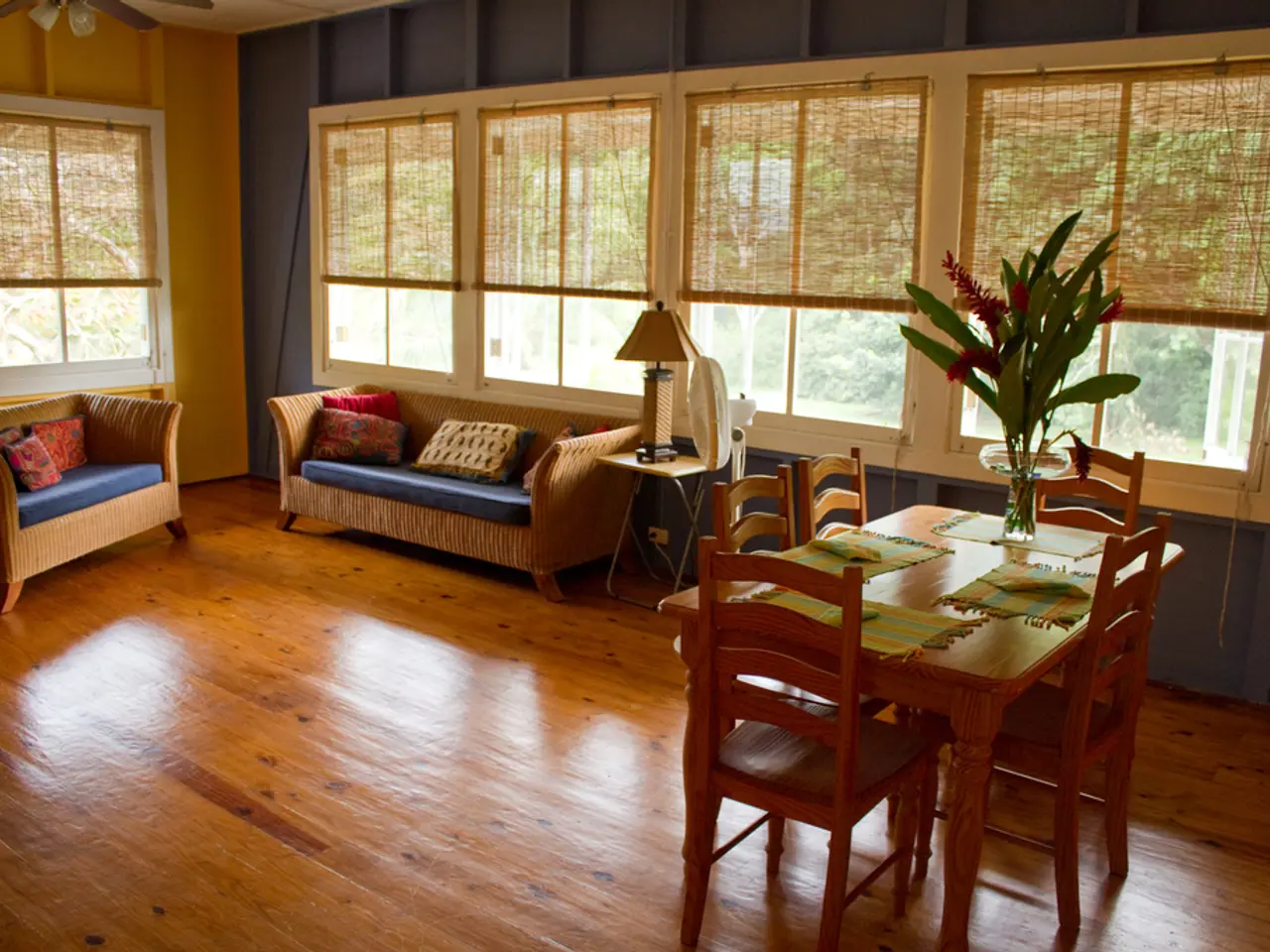
- Highlight Architectural Details: Incorporate exposed beams, expansive windows, and low overhangs (inspired by Wrightian architecture) for both aesthetic appeal and natural light infusion.
- Use Functional, Quality Furniture: Select pieces with clean lines and sturdy craftsmanship, possibly with a subtle nod to historical styles but adapted for modern use. Avoid overly ornate or fussy styles.
By combining historical influences, materials native to Western regions, and modernist design principles, you can create an interior that reflects Western style in a fresh, livable way. For tailored suggestions or examples for specific rooms or budgets, consult with an expert architecture and interior design firm.
The heart of Western-inspired style lies in every detail that invites exploration and sparks curiosity. From Western-inspired artwork to natural materials, the captivating realm of Western interior design offers a thrill of bringing the untamed spirit of the American West into your home.
- The design firm can provide expert advice on integrating historical influences, natural materials, and modern design principles for a Western-inspired home.
- The pre-industrial era of Western interior design was characterized by emphasis on handcrafted furniture, details, and historical styles like Rococo, Baroque, and Classical.
- When selecting furniture, opt for pieces with clean lines and sturdy craftsmanship, incorporating a subtle nod to historical styles but adapting them for modern use.
- Western-inspired lifestyle intertwines with fashion, beauty, food, and home, making it possible to find recipe books that reflect the earthy color palettes and natural materials popular in Western interior design.
- The rustic charm of Western interiors often extends beyond the living space, blending with the fashion-and-beauty, food-and-drink, and home-and-garden sectors, fostering an overall lifestyle that celebrates the rugged beauty of the American West.