
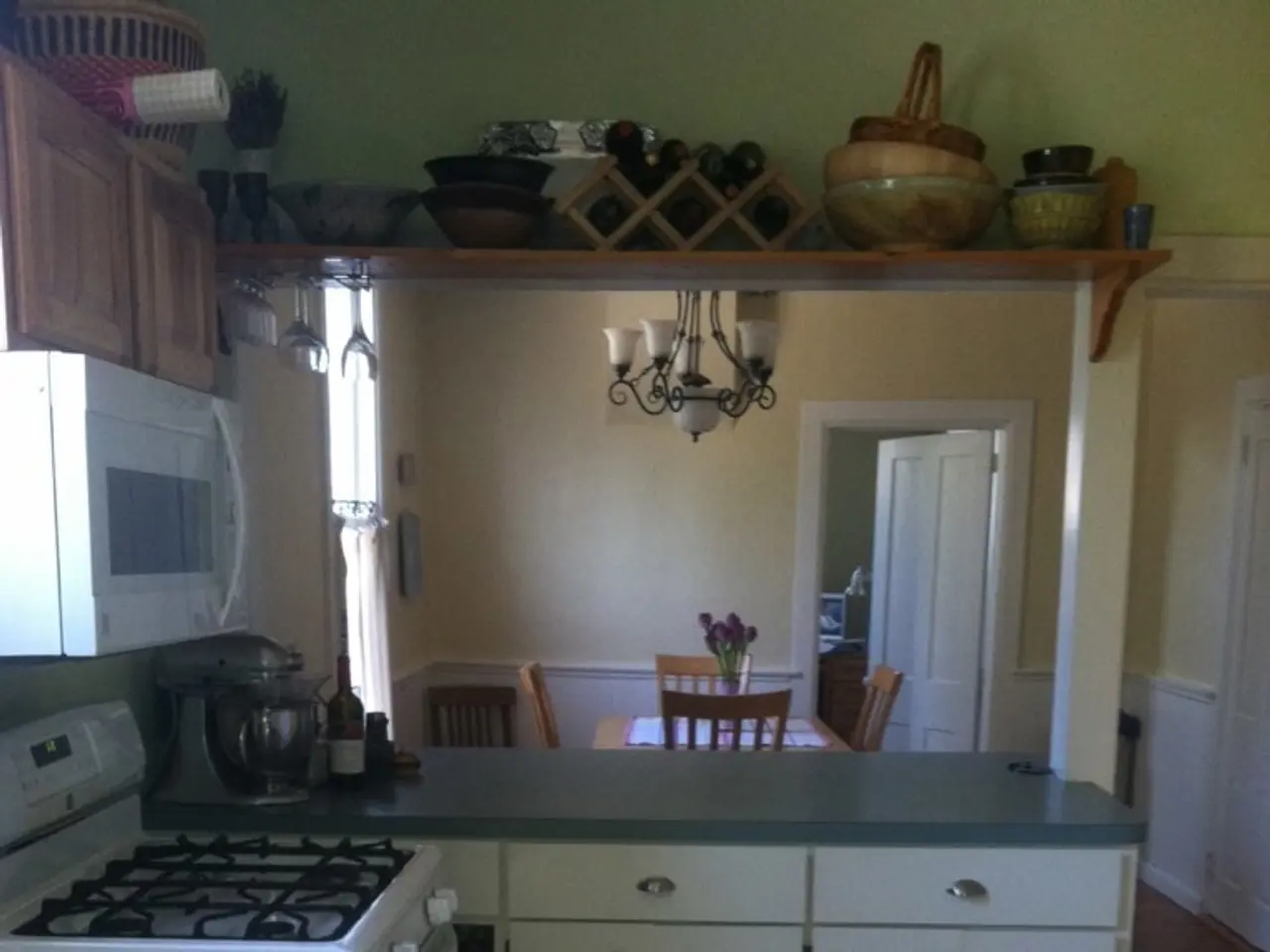
Customized Kitchen Layouts: Comprehensive Guide to Tailored Cabinets
Embarking on a bespoke kitchen project can be an exciting yet daunting experience. To ensure a successful outcome, careful research, strategic planning, and thoughtful design input are essential. Here's a comprehensive guide to help you navigate each stage of the process.
**Research**
Start by understanding your family's unique needs, rather than just following current trends. Consider how your household might change in the future – growing families, aging in place, or evolving cooking habits – to ensure the kitchen remains functional for years. Gather inspiration from platforms like Houzz, Pinterest, or design magazines, and take note of what appeals to your lifestyle and aesthetic preferences. Define project goals, such as increased storage, better workflow, enhanced lighting, or modern technology integration, to keep the project focused.
**Planning**
Setting a realistic budget is crucial, as bespoke kitchens can range widely in cost. Allocate funds for cabinetry, countertops, appliances, flooring, lighting, and labor, and include a 10–15% contingency for unexpected expenses. Plan for accessibility, technology upgrades, and possible layout changes in the future. Ensure electrical and plumbing systems can accommodate new appliances or smart features. Hire qualified professionals, such as experienced kitchen designers, architects, or certified contractors, for custom work. Obtain permits before starting construction to avoid delays or fines.
**Design Input**
Choose the right layout that suits your space and lifestyle. Select a layout that works best for your needs, whether it's a galley for narrow kitchens, L-shaped or U-shaped for open-concept homes, or island layouts for additional prep and seating space. Invest in custom cabinets designed to fit your space and preferences, considering features like deep drawers, built-in organizers, and appliance garages for optimal functionality. Decide which appliances you want and where to place them, considering eye-level ovens, concealed refrigerators, or additional features like wine coolers.
Pay attention to details such as plumbing, lighting, electrical, and wall finishes, which often are underestimated and can impact both function and budget. Focus on creating a kitchen that works for your daily routine rather than just one that looks good.
**Implementation**
Involve your designer/cabinet maker from the beginning of the project to avoid rethinks and save time and money. Always have a clear budget in mind and be upfront about it with the designer. Choose an established company with a reputation for hand-crafted joinery, whether it's a small independent or a larger specialist kitchen company.
A more affordable alternative to a fully bespoke kitchen is a semi-bespoke kitchen, such as Neptune's Chichester and Suffolk kitchens. Be clear about your preferences and don't be afraid to ask questions during the design stage.
By following these steps, you can minimize setbacks, maximize enjoyment, and achieve a bespoke kitchen tailored to your unique needs and vision.
Consider expanding your inspiration sources to include the utility room, as it could offer innovative ideas for storage and organization within your project. Additionally, don't forget to explore the potential of transforming your kitchen into a multi-functional space that integrates with your home-and-garden lifestyle, such as integrating a small greenhouse or orangery for growing herbs and flowers.